Table of Content
Testing your blood sugar is crucial to diabetes management. Using a meter or continuous glucose monitoring can provide accurate results. But you might seek a pain-free method to check blood sugar. A continuous glucose monitor, on the left, is a device that measures blood sugar every few minutes using a sensor inserted under the skin. An insulin pump, attached to the pocket, is a device that’s worn outside of the body with a tube that connects the reservoir of insulin to a catheter inserted under the skin of the abdomen. Insulin pumps are programmed to deliver specific amounts of insulin continuously and with food.
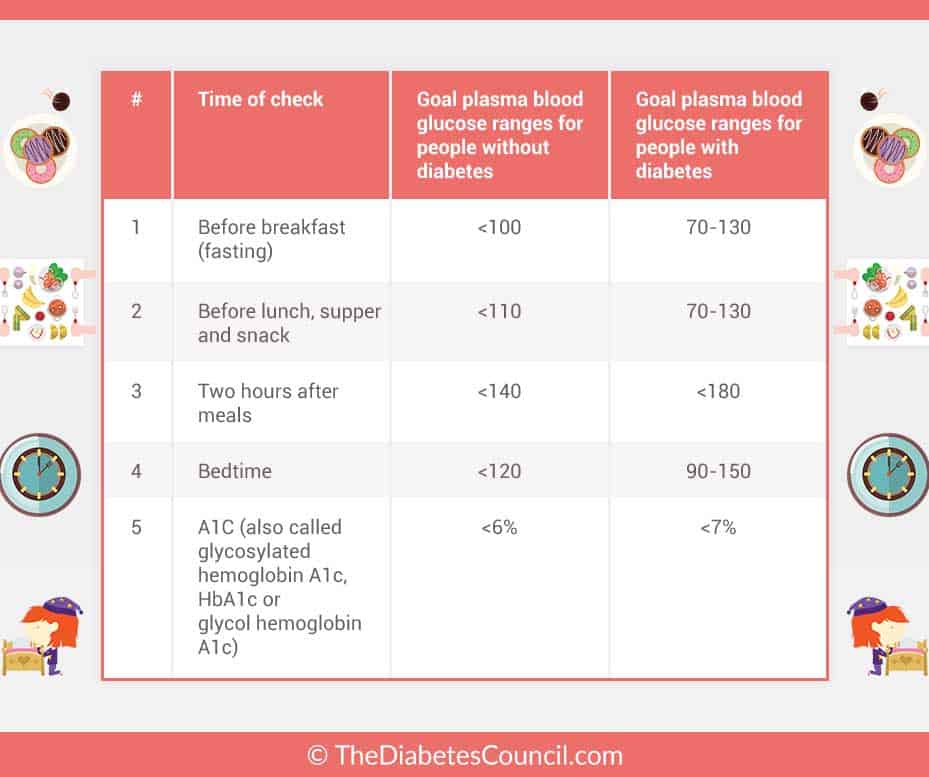
You may consider testing before and after meals to see how your diet affects blood glucose. It’s especially important to test after eating simple carbohydrates or sugary foods to make sure your glucose isn’t too high. Please note that continuous glucose monitors are an alternative way to monitor blood glucose. Testing blood glucose, also known as blood sugar, is an essential part of your diabetes care plan. You should also test your blood sugar twice a day, especially if you’re fasting or doing low-carbohydrate diets.
Continuous glucose monitor (CGM)
Its a healthy habit for everyone, but if you have diabetes, its also a good way to burn extra glucose from a meal. Even when youre in a hurry to get out the door, dont be tempted to skip it. A study shows that folks with diabetes who dont eat breakfast get higher blood sugar spikes after lunch and dinner.

Prick your finger with the lancet in the protective lancing device. Learn how these tests work and talk with your doctor about the benefits of self-monitoring. If your blood sugar is often high, your doctor may change how much medicine you take or when you take it.
When Is The Best Time To Check Blood Sugar
This is temporary, though, and you shouldn’t feel any pain thereafter. If you continue to feel pain or discomfort, see your doctor. You'll still need to check your levels throughout the day; continuous glucose monitoring doesn't replace that. It gives your doctor more information about trends that self-checking might not show. The A1C testis a simple blood test that measures your average blood sugar levels over the past 2 or 3 months. The test is done at a lab or your doctor’s office in addition to—not instead of—regular blood sugar testing you do yourself.

Children who have hypoglycemia or low blood sugar episodes may need to be tested in the middle of the night. There are spring-loaded lancing devices that make sticking yourself less painful. At that clinic I was set up with a glucometer and shown how to use it. The device is typically provided to you free of charge, because the strips are so much.
further reading
Low blood sugar has many causes, including missing a meal, taking too much insulin, taking other diabetes medicines, exercising more than normal, and drinking alcohol. In people with type 1 diabetes, the onset of symptoms can be very sudden, while in type 2 diabetes, they tend to come about more gradually, and sometimes there are no signs at all. These can be a sign of insulin resistance, Zanini says.
One study shows you may be able to curb blood sugar spikes after you eat if you skip foods with lots of butter and choose a meal made with a little olive oil instead. The sensor transmits a glucose readout to a special monitoring device or smartphone, usually every five to 15 minutes. Check out these blood sugar monitors if youre looking for recommendations on how to keep track of your levels at home. Your healthcare provider may have ordered routine bloodwork called a basic metabolic panel or a comprehensive metabolic panel , which both include a glucose blood test. Even frankly diabetic blood sugars do not cause such symptoms as widespread joint pain, tingling in the hands , or nerve pain extending down only one leg. Three hours after you started eating, test your blood sugar.
I can't express how much comfort reading your response brought to me and how much it puts my mind at rest. Depending on your individual body, you will either tolerate carbs better in the morning or evening—most people see their breakfast numbers are higher, but it can go both ways. I aimed for 30g at breakfast, 45g at lunch and dinner, and no more than 30g at snacks. And avoid “naked” carbs — always pair with a protein and fat.

Some people with diabetes also use an alternative blood test to measure glycated hemoglobin . The procedure for this test is mostly the same but will produce different readings. Your health care provider or certified diabetes care and education specialist can recommend an appropriate device for you. He or she can also help you learn how to use your meter. You’ll probably test before meals and at bedtime if you're taking multiple daily injections.
The fingers traditionally offer the most accurate results. Some tests allow you to prick your thigh or arm, but you should check with your doctor before doing so. Ask your doctor if and how often you should test yourself if you don’t take insulin.
If you experience blurred vision, visit your doctor immediately for a medical evaluation. Because unstable blood sugar can reduce your circulation, your blood can't get energy and oxygen to your cells. Keep in mind that not all early diabetics will lose weight. You may gain weight or see no change in your weight, even though you have diabetes. When the sugar concentration is high in your blood, your kidneys can't pull the sugar out anymore.
Some blood glucose meters may record your blood glucose levels automatically or you can record your results in a diabetes diaryor in an app on your phone. You need to take your blood glucose record book or app to all appointments with your doctor, diabetes nurse educator or diabetes nurse specialist. They can check your blood glucose levels and decide on any medicine changes.

Know when you need to make any changes to food, exercise, and diabetes medicines. Diabetes management includes artificial insulin and lifestyle adjustments. Target numbers may vary from person to person and may change over time, depending on an individual’s health, age, weight, and other factors. Keep in mind that you don’t have to use the same finger each time. If one finger becomes too sensitive, use a different finger. Or if you use the same finger, prick in a different spot.
For those who have prediabetes, or at risk for developing diabetes, your blood sugar should be checked through routine blood work at a yearly doctors exam. If youre not at risk for diabetes, glucose levels can be checked every three years. Even though continuous glucose monitoring systems place a sensor under the skin, most still require a finger prick at least once a day to calibrate the device. Continuous glucose monitoring, on the other hand, provides real-time glucose, or blood sugar, readings every few minutes. These systems involve the insertion of a tiny sensor underneath your skin . Hemoglobin A1C is not the same as the glucose result from a blood glucometer (or “glucose meter”).




No comments:
Post a Comment